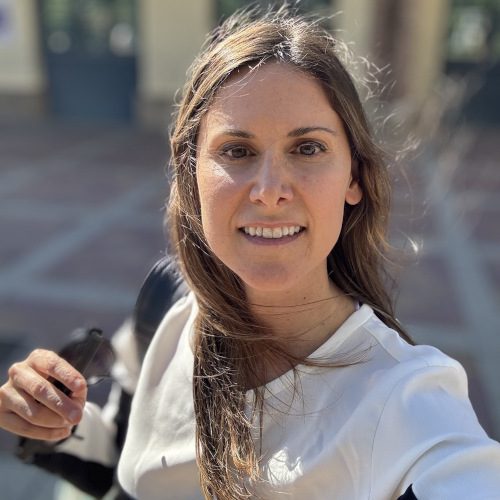
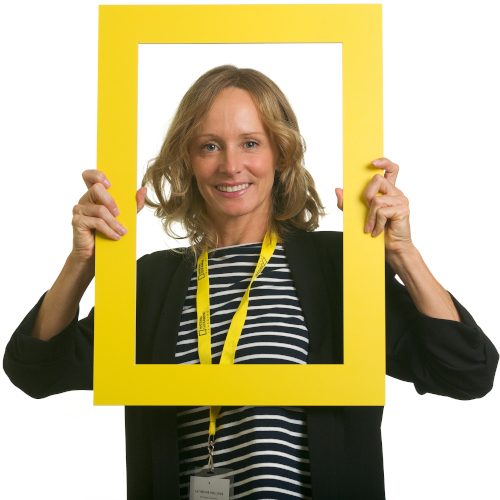
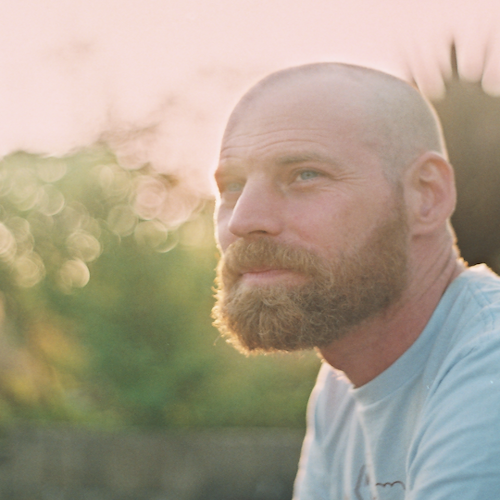
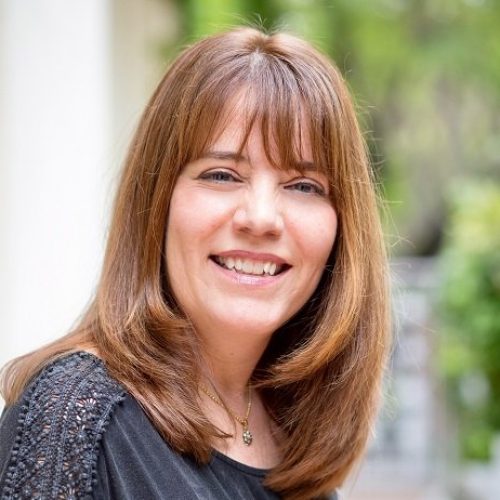
Peer observation can be a powerful and underused tool for professional growth, especially in bilingual education settings where teachers often face unique pedagogical challenges. This session explores how various types of peer observation can support bilingual and auxiliary teachers in developing both their classroom practice and their confidence. Drawing on real examples from bilingual contexts, we will examine how peer observation fosters reflective practice, encourages the sharing of effective strategies, and builds a supportive community of practice among teachers. Participants will leave with practical frameworks and adaptable tools to implement peer observation in their own organisations, enhancing teacher development from the ground up.
El taller adoptará una dinámica participativa, en la que los asistentes trabajarán colaborativamente en el rediseño de materiales reales, aplicando las estrategias presenta-das y reflexionando sobre su impacto en los procesos de aprendizaje. Se pretende ayudar a los docentes a desarrollar herramientas prácticas para enseñar en contextos bilingües, y al mismo tiempo, fomentar la toma de decisiones didácticas conscientes y adaptadas a la realidad de sus estudiantes. En este sentido, el taller pone el foco en la adaptación de materiales como una competencia clave dentro del enfoque CLIL, necesaria para garantizar una enseñanza significativa, accesible y coherente con los principios de esta metodología.
The structure of the workshop will keep the session interactive and fun while demonstrating the practical applications of game-based learning. There will be a brief introduction where I will talk about the “Play Dates for English Teachers” I organise in my city and we will discuss the importance of play in language learning, highlighting key benefits for students: engagement, collaboration, creativity, language production and fluency, social skills and emotional intelligence, etc. and type of games to use in the classroom: vocabulary, grammar, speaking, individual, collaborative, role play etc.
Este taller presenta un enfoque práctico para aprovechar el potencial de la literatura infantil en inglés como herramienta de enrique-cimiento curricular autónoma (Reis et al., 2018), beneficiosa para todo el alumnado y especialmente para perfiles de altas capacidades, talentos específicos, pensamiento divergente o rasgos creativos. Los asistentes podrán explorar materiales, plantear actividades y adaptar propuestas al perfil de sus alumnos. El taller incluirá ejemplos concretos de estrategias aplicables en el aula: flexibilización de tiempos de lectura autónoma, itinerarios lectores, álbumes de registro, pasaportes lectores, respuestas artísticas o de ampliación y otras dinámicas en torno a la LIJ, así como ideas para extender la experiencia lectora al entorno familiar.
This practical workshop will explore inclusive teaching practices, approaches and strategies that can make the bilingual classroom a more comfortable place for dyslexic learners, who often struggle with language learning. The session will focus on the principles of Universal Design for Learning to help teachers create environments that enhance the educational experience for ALL learners. The ideas proposed will include synthetic phonics instruction and multisensory methods, as well as digital technologies and AI tools. It will include practical tips for making teaching resources more accessible and suggest some simple accommodations to make the classroom a happier and more productive place.
Enseñar una lengua extranjera no implica únicamente la transmisión de estructuras gramaticales o léxicas, sino también la mediación de un sistema cultural complejo. Cada lengua vehicula unas normas de pensamiento, unas prácticas sociales y unos imaginarios colectivos que forman parte esencial del proceso de enseñanza-aprendizaje. En el caso del francés lengua extranjera (FLE), esta dimensión cultural se encuentra estrechamente vinculada a la Francofonía y a una red de representaciones históricas, sociales y simbólicas que enriquecen el aprendizaje lingüístico. No obstante, en la práctica educativa, la cultura continúa siendo abordada, en muchos casos, de forma superficial o anecdótica, restringida a celebraciones puntuales o a elementos folclóricos.
The session will focus on provisions available from the point of view of an exam board, but links will be made to provisions available in the classroom. The session will begin with a brief definition of access arrangements, followed by a look at ways to provide fair access to students with physical difficulties, either permanent or tempo-rary. We will then move on to explore how fair access can be ensured for students with neuro-diversity (attention deficit, ADHD, dyslexia or other conditions). The discussion here will focus on the selection of the most appropriate provisions for each individual. In the next section, we will explore provisions which can be facilitated by technology and some of the possible inconveniences inherent in the use of technology.
During the session, examples of best practices will be presented, highlighting their impact on student motivation, meaningful learning, the development of key competences, and the European dimension of teaching. Practical aspects such as project design, curriculum integration, interdisciplinary work, and competence-based assessment within the CLIL framework will also be addressed.
In this session, participants become science researchers. They view science experiments, identifying, and classifying the language used in each one. Working in pairs and guided by handouts, they develop a sensitivity towards the language dimension of scientific re-search. Finally, by sharing their findings, they draw conclusions about the patterns of language typical of hands-on experiments.
In today’s diverse classrooms, engaging all learners through CLIL means more than teaching content in another language—it means adapting, inspiring, and collaborating. This talk explores practical strategies for differentiated learning, motivating mixed-ability groups, and designing activities that foster curiosity and engagement. Drawing on real classroom experiences and a range of dynamic resources, we’ll explore how to balance language and content goals while making learning accessible and exciting for every student. Come along and explore techniques to make CLIL a truly engaging and motivating approach for all.
This workshop offers a hands-on experience designed to introduce educators to the practical application of dubbing in the bilingual classroom. The session will include two parts: first, participants will explore useful digital tools, devices and AI-based resources to carry out dubbing activities. Practical advice and examples from class-room experience will be shared. In the second part, attendees will be guided through the design of a learning situation adapted to a Primary EFL context, illustrating how easily such activities can be integrated into real teaching practice.
La integración de la IA en la educación bilingüe puede revolucionar las metodologías educativas, por lo que se hace necesario explorar sus posibilidades. Este taller presenta el curso online de formación docente desarrollado en el marco del proyecto internacional PAI-DEIA, cuyo objetivo es capacitar a docentes de primaria y secundaria en el uso ético, crítico y pedagógico de la Inteligencia Artificial (IA) en sus prácticas educativas. El taller busca ofrecer a los participantes una experiencia directa con el enfoque formativo del proyecto, alineado con las prioridades europeas en digitalización educativa, y centrado en fortalecer el papel del docente como protagonista en la transformación tecnológica de la enseñanza.
A literacy-based approach to teaching English is central to the British Council’s Bilingual Edu-cation Programme (BEP) methodology and one of the pillars of its success. This very practical workshop will focus on how the right approach to teaching literacy will engage your pupils and help them produce work that is meaningful, memorable and moves their learning forward. The workshop is aimed at Primary teachers and draws on our expertise and experience in the BEP. You will come away with strategies to engage your pupils and help them improve their reading, writing and speaking skills, as well as easy to implement tools for integrated literacy planning.
En este taller exploraremos herramientas sencillas para elaborar materiales visuales y auditivos adapta-dos, y estrategias para organizar los apoyos personalizados que cada estudiante necesita en su aprendizaje del inglés. Además, mostraremos cómo estructurar una clase paso a paso, integrando rutinas, tiempos flexibles y evaluación formativa accesible, fomentando la autonomía y la motivación del alumnado. Se recomienda que los participantes traigan al taller el material (lección, tarea o unidad) en el que estén trabajando, para adaptarlo durante la sesión y llevarse propuestas prácticas aplicables a su aula.
Este taller propone una aproximación práctica y estructurada a la implementación de la metodología AICLE (Aprendizaje Integrado de Contenidos y Lenguas Extranjeras) en el aula de Matemáticas de 1º de ESO. A partir de un estudio de caso real, se presentará una forma metódica de diseñar y secuenciar actividades didácticas que integran el contenido matemático con el aprendizaje del inglés como lengua vehicular, teniendo en cuenta las particularidades propias de esta disciplina.
This interactive workshop introduces Cognitive Discourse Functions (CDFs) (Dalton-Puffer, 2013) as a powerful pedagogical and conceptual tool for addressing this challenge. During the workshop, participants will examine real classroom examples from various content areas, engage in collaborative lesson design activities, and co-construct strategies for using CDFs in curriculum planning, classroom instruction, and formative assessment. We will explore how attending to these functions not only supports learners’ language development but also enhances subject comprehension, especially in linguistically diverse classrooms.
This workshop presents an innovative, experiential approach to inclusive bilingual ed-ucation through the MRMICGXXI methodology, uniquely reimagined within the con-text of outer space and the solar system. By situating participants in a dynamic, simu-lated interstellar environment, the training transforms the exploration of diversity and inclusion into a space-themed educational journey. The workshop environment—a “space station of knowledge”—is designed to reflect the complexity, richness, and vastness of the universe, symbolizing the broad spectrum of learner profiles and needs found in today’s classrooms.
Focusing on the concept of “AI Prompt Literacy,” this presentation introduces practical strategies for working with generative AI tools (such as ChatGPT) to teach students how to ask better questions, assess AI-generated responses, and clarify their own thinking in every language. Participants will learn how different prompts shape the AI’s answers, how to turn unclear questions into more focused ones, and how to use AI’s responses as a starting point for discussion, comparison, revision, and reflection. This session will also address the importance of teaching students to think critically about AI.
Teaching English to teenagers can be challenging, but it can also be very rewarding. In this session we’ll explore strategies to overcome these challenges and inspire students to learn English for a positive global impact. Discover how to engage teens using real-world content and projects that foster 21st-century skills like technology integration, critical thinking, and creativity.
Every teacher knows that feeling: the lesson plan ends early, the class loses focus, or there’s an awkward few minutes to fill. This session shares a collection of quick, low-prep activities that work as warmers, coolers, or energisers across subjects. They’re fun, adaptable, and built to boost language without adding to your planning load. Come along, try some out, and leave with a pocketful of ready-to-go ideas for when your lesson needs a lift.
Este taller explorará cómo las universidades pueden convertirse en una opción atractiva para más de 5,000 estudiantes internacionales bilingües que buscan un lugar donde crecer y ser valorados. A través de dinámicas interactivas, se analizarán sus motivaciones y lo que más aprecian en una institución.
This session examines the strategic planning and collaborative efforts necessary for the im-plementation and sustainability of effective bilingual and dual-language programs in Texas. Dr. Rolando A. Merchán provides insights from the “Biliteracy Trajectory Advisory Committee” (BTAC) process at a mid-size urban school district near Houston, focusing on structured lead-ership, stakeholder engagement, and evolving instructional strategies to support multilingual learners.
Este taller se enfocará en el desarrollo oral de los alumnos en la cual están aprendiendo contenido en su segundo/nuevo idioma y le proveerá al docente estrategias y actividades de expression oral para incorporar diálogo informal y formal en la enseñanza diariamente. Las investigaciones nos han señalado que el desarrollo oral está enlazado con la escritura lo cual este taller mostrará la conexión entre el habla y la escritura. Además, también tocaremos el tema de que el desarrollo del lenguaje oral tiene beneficios socioculturales. El desarrollo del lenguaje oral les da a los estudiantes la confianza de comunicarse con personas de otras culturas y el valor de usar su voz para el bien de la comunidad.
The session will include a practical demonstration by student teachers, showcasing strategies for addressing academic language, delivering scientific content, and accommodating the diverse needs of young learners. Additionally, the workshop will model the development of critical thinking skills and the use of challenge-based learning resources. Finally, participants will be introduced to a variety of assessment tools and strategies, both formative and summative, aimed at evaluating content understanding and language development within the pre-primary STEAM-CLIL framework.
The workshop will feature a series of hands-on, classroom-tested examples that show how generative AI can assist in lesson planning, resource design, formative assessment, and student-led projects. Participants will explore easy to use tools such a Notebook LM, image generators, and synthesis platforms that can be employed to develop bilingual aligned with curricular goals. Attention will also be given to ethical considerations, digital literacy, and the need for institutional policies that ensure responsible AI use.
Este taller tiene como objetivo empoderar al profesorado para actuar de forma preventiva, estructurada y emocionalmente inteligente ante las conductas disruptivas, favoreciendo tanto el rendimiento académico como el bienestar emocional del alumnado. Se ofrecerán herramientas prácticas y estrategias centradas en el modelaje claro y explícito de procedimientos, rutinas y transiciones, con una mirada positiva, inclusiva y realista.
![[CIEB24]Icono](https://cieb.es/wp-content/uploads/elementor/thumbs/CIEB24Icono-rifgzee6gy1l5wubb0ycwlq0x3hi1l5eu212pevafc.png "[CIEB24]Icono")