



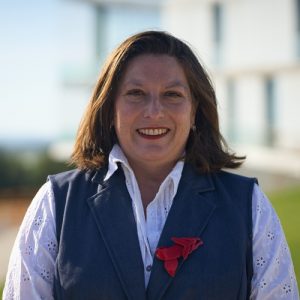
María Luisa Sierra Huedo
San Jorge University
PhD in International Education and Master of Arts in ComparativeInternational Development Education from the University of Minnesota,USA. Vice Dean of Internationalization at the School of Communication andSocial Sciences at Universidad San Jorge, Zaragoza, Spain. Professor andresearcher at the Group Migrations, Interculturalism and HumanDevelopment. Her research interests are intercultural communication, international education focusing on the internationalization of highereducation, topics and areas in which she has developed research andpublished articles and book chapters.https://orcid.org/0000-0001-8809-7924
PhD in International Education and Master of Arts in ComparativeInternational Development Education from the University of Minnesota,USA. Vice Dean of Internationalization at the School of Communication andSocial Sciences at Universidad San Jorge, Zaragoza, Spain. Professor andresearcher at the Group Migrations, Interculturalism and HumanDevelopment. Her research interests are intercultural communication,international education focusing on the internationalization of highereducation, topics and areas in which she has developed research andpublished articles and book chapters.https://orcid.org/0000-0001-8809-7924
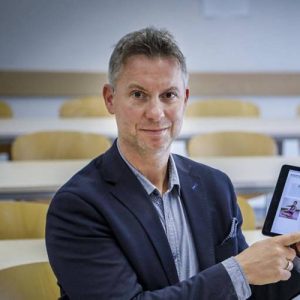
Oliver Meyer
Johannes Gutenberg-University Mainz
PANEL 1. School internationalization | Chair: Marina Aguareles Bautista
ROOM 2 ANDREA LEJARZA FERRER. JESÚS GARCÍA LABORDA. ANA ISABEL GARCÍA ABELLÁN.
ROOM 2 ANDREA LEJARZA FERRER. JESÚS GARCÍA LABORDA. ANA ISABEL GARCÍA ABELLÁN.
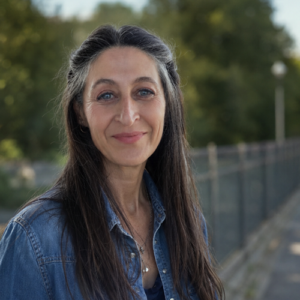
Andrea Lejarza Ferrer
SEPIE
Andrea Lejarza Ferrer es Asesora Técnica Docente (ATD) en la Unidad de Educación Escolar y Educación de Personas Adultas del SEPIE, donde trabaja en la gestión y difusión del programa Erasmus+ en los sectores de Educación Escolar y Educación de Personas Adultas.
Formada en Educación Infantil, Educación Primaria y Lengua Extranjera, además de como profesora de español para alumnos inmigrantes en la Universidad de Zaragoza. Con más de 25 años de experiencia en Centros Educativos como maestra y jefa de estudios, ha desempeñado la mayor parte de su carrera en centros de difícil desempeño. En ellos ha adquirido una sólida experiencia en coordinación de proyectos, atención a la diversidad, inclusión educativa y acompañamiento al alumnado y sus familias en situaciones adversas, promoviendo prácticas educativas inclusivas y una atención personalizada al alumnado.
Actualmente contribuye al desarrollo de proyectos europeos de movilidad que fomentan la cooperación entre instituciones, la innovación pedagógica y la internacionalización de la educación, convencida del valor de la colaboración europea para lograr una educación más inclusiva, equitativa y de calidad.
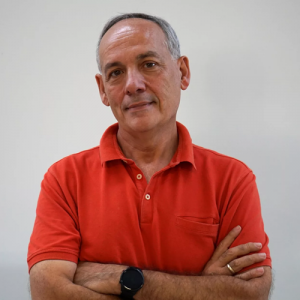
Jesús García Laborda
Universidad de Alcalá
El Catedrático de Universidad de Didáctica de la Lengua y la Literatura, Dr. García Laborda, es licenciado en Filología Inglesa (1988, UCM), Máster en ESL (University of Georgia), Máster en Lengua y Literatura Comparada (University of Wisconsin), doctor en Filología Inglesa y Doctor Europeo en Didáctica (UCM). Cuenta con cuatro tramos de docencia, tres de investigación y uno de transferencia. Ha sido profesor en University of Georgia y University of Wisconsin, y Visiting Scholar en Penn State University y University of Antwerp, impartiendo docencia internacional en Europa, Asia y América. Asimismo, actualmente es asesor de investigación de las universidades de Ablai Khan y Abai en Kazajistán y colabora con la Universidad de Lenguas de Azerbaijan; además, ejerce funciones de coordinación e investigación del Doctorado de Educación de UNIE.
Ha sido investigador principal en cuatro proyectos de I+D y ha participado en otros ocho, además de dirigir seis proyectos de innovación docente. Desde 2013 dirige el grupo de investigación de Alto Rendimiento RELTS. Entre 2019 y 2025 fue decano de la Facultad de Educación de la Universidad de Alcalá y previamente director del Departamento de Filología Moderna. También es miembro del Consejo Escolar de Castilla La Mancha.
Actualmente es Director Académico del Centro Universitario Cardenal Cisneros y presidente de la comisión de Humanidades de ACPUA. Cuenta con más de 270 publicaciones (+170 en WoS) y es especialista en enseñanza de lenguas, formación del profesorado, evaluación y tecnología educativa.
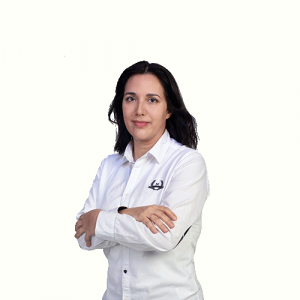
Ana Isabel García Abellán
Universidad Católica de Murcia
La doctora Ana Isabel García Abellán cuenta con más de 20 años de experiencia en el ámbito de la educación bilingüe. Como docente e investigadora en la Universidad Católica de Murcia (UCAM), ha desarrollado su trayectoria en la enseñanza y la formación de futuros profesionales de la educación, además de liderar proyectos innovadores en el área de la enseñanza de lenguas. A lo largo de su carrera, ha trabajado en diversos contextos educativos, desde la Educación Infantil, Primaria y Secundaria, donde coordinó e implementó programas bilingües basados en el enfoque CLIL, hasta la formación de profesorado para instituciones públicas y privadas.
Ha colaborado con organismos como la Consejería de Educación de la Región de Murcia y Oxford University Press, diseñando materiales didácticos como series de libros y material digital, y desempeñándose como asesora pedagógica y formadora de profesores. Su trayectoria investigadora está centrada en la educación bilingüe, especialmente en la adquisición temprana de lenguas extranjeras, en la innovación en el aula bilingüe y en las percepciones de los distintos agentes educativos en contextos escolares bilingües.
PANEL 2. AI as an educational tool | Chair: Victor Pavón Vázquez
ROOM 3 SERGIO DAVID FRANCISCO DÉNIZ. Mª ESTHER RODRÍGUEZ GIL. JAVIER VILLORIA.
ROOM 3 SERGIO DAVID FRANCISCO DÉNIZ. Mª ESTHER RODRÍGUEZ GIL. JAVIER VILLORIA.

Sergio David Francisco Déniz
Universidad de La Laguna
Doctor en Ciencias de la Educación, especialidad en Educación Bilingüe (AICLE) y en Enseñanza del Inglés como lengua extranjera (ILE).
Profesor Permanente Laboral del Departamento de Didácticas Específicas (Didáctica de la Lengua y la Literatura Extranjera) de la Universidad de La Laguna (ULL). Sus líneas de investigación son digital literacy and competency-based approach in EFL and CLIL for primary and secondary levels. Ha publicado artículos y capítulos de libro en editoriales y revistas nacionales e internacionales. Durante los últimos diez años ha participado en numerosos congresos internacionales y nacionales. Coordina el grupo de investigación GIEP de la ULL y ha dirigido cuatro tesis doctorales. Actualmente es co-IP de dos proyectos de innovación educativa interuniversitarios entre la ULL y la ULPGC.
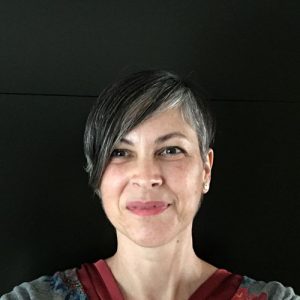
Mª Esther Rodríguez Gil
Universidad de Las Palmas de Gran Canaria
María Esther Rodríguez‑Gil, profesora en la Universidad de Las Palmas de Gran Canaria (ULPGC), imparte Inglés en el Grado en Lenguas Modernas que ofrece la Facultad de Filología de la ULPGC. Con más de una década de experiencia en docencia bilingüe, es miembro del grupo de investigación VARLING del Instituto Universitario de Análisis y Aplicaciones Textuales (IATEXT).
Su labor actual en lingüística aplicada se centra en la educación bilingüe e incluye proyectos de investigación sobre diversidad e innovación educativa. Como experta en metodologías activas e Inteligencia Artificial en el aula, María Esther imparte cursos de formación para docentes, con especial atención tanto a contextos de educación general como bilingüe. Actualmente, María Esther ejerce como Coordinadora del Plan de Formación de Docentes y Personal Investigador de la ULPGC, tras haber ocupado cargos de liderazgo como Subdirectora de Organización Académica, Nuevas Titulaciones e Innovación (Estructura de Teleformación de la ULPGC, 2021–2025).
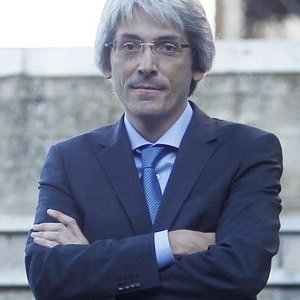
Javier Villoria
Universidad de Granada
PANEL 3. Teacher Training | Moderator: José Manuel González Guillorme
ROOM 4 VIRGINIA VINUESA BENÍTEZ. SONIA FERREIRINHA. DAVID SAMORE.
ROOM 4 VIRGINIA VINUESA BENÍTEZ. SONIA FERREIRINHA. DAVID SAMORE.

Virginia Vinuesa Benítez
Universidad Rey Juan Carlos - URJC
Licenciada en Filología Inglesa por la Universidad de Granada y Doctora por la Universidad Rey Juan Carlos. Con más de 25 años de experiencia en el ámbito de la educación, ha desarrollado su carrera profesional en todos los niveles educativos, desde Educación Infantil hasta Educación Universitaria, tanto en España como en el Reino Unido.
Es Profesor Docente Investigador en la Universidad Rey Juan Carlos de Madrid donde imparte docencia en el área de la didáctica de L2 y metodología CLIL en los grados de Infantil y Primaria, así como en el Máster de Profesorado de Secundaria. Dirige el Máster de Enseñanza Bilingüe en Centros Educativos de Educación Primaria e Inmersión en Lengua Inglesa.
Ha participado activamente en la formación metodológica de profesores de colegios bilingües de la Comunidad de Madrid impartiendo cursos sobre AICLE/CLIL y colabora con el CEU Cardenal Herrera de Valencia en el Máster Universitario en Educación Bilingüe Inglés y Español. Ha impartido ponencias en España y Estados Unidos y su área de investigación se centra en el ámbito de la enseñanza bilingüe y la metodología AICLE/CLIL. Es Vicepresidenta de la Asociación de Enseñanza Bilingüe y co-editora de la revista americana NABE Journal of Research and Practice.
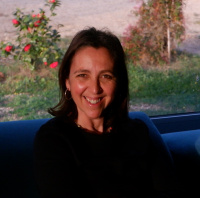
Sonia Ferreirinha
Associação Portuguesa de Professores de Inglês (APPI)

David Samore
David Samore & Associates, LLC
Dr. David Samore is an expert in school leadership and dual language immersion education, twice awarded Principal of the Year from the State of Florida where his expertise in leading bilingual schools is recognized throughout North America. David is a first generation U.S. citizen and speaks five languages. He was educated in Britain where he was part of the first International Baccalaureate Diploma class in the world.
The fourth son of immigrant parents to the U.S., David has many years’ experience in the peninsula. Combined with his intimate knowledge of Spain’s educational systems, his presentation will provide a relevant and refreshing perspective. Spain’s King Felipe VI awarded Dr. Samore the Officer’s Cross of the Order of Isabel la Católica in 2020. His presentation will be inspiring and innovative.
PANEL 4. International Experience | Moderator: Magdalena Custodio Espinar
ROOM 8 MARGARITA MACHADO. MARÍA CARREIRA. KOTA KAWAKAMI.
ROOM 8 MARGARITA MACHADO. MARÍA CARREIRA. KOTA KAWAKAMI.
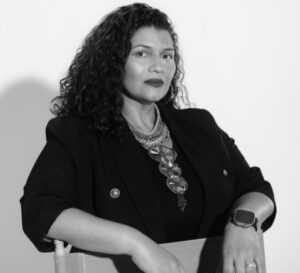
Margarita Machado
Dr. Margarita Machado-Casas is a nationally and internationally recognized scholar in bilingual, multicultural, and transnational education. She is a Full Professor at San Diego State University and currently serves as President of the National Association for Bilingual Education (NABE). Her interdisciplinary research focuses on immigrant, Indigenous, Afro-descendant, and multilingual communities, exploring identity, agency, literacy, family engagement, and equitable assessment.
Dr. Machado-Casas holds a Ph.D. from the University of North Carolina at Chapel Hill, where she earned the prestigious IMPACT Award. She completed a postdoctoral fellowship at the Frank Porter Graham Institute in collaboration with Duke University. With over 80 publications—including the award-winning Handbook of Latinos in Education—she is also co-editor of widely adopted texts on bilingual education.
A community-engaged scholar and policy leader, she has advised ministries of education across Latin America and co-developed the first multilingual master’s program for Afro-Indigenous communities in Nicaragua. In the U.S., she co-founded CUPE and BESO, the country’s largest bilingual student organization, and served on the Biden-Harris National Education Policy Committee, helping shape policies on educator diversity.
She is Founder and CEO of ISET Pathway and President of Global Supply Exchange, both focused on advancing educational access and equity. A proud Afro-Indigenous migrant and mother of three, Dr. Machado-Casas is committed to uplifting marginalized voices in education through real-world advocacy, research, and leadership.
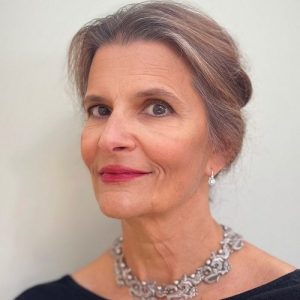
María Carreira
American Association of Teachers of Spanish and Portuguese (AATSP)
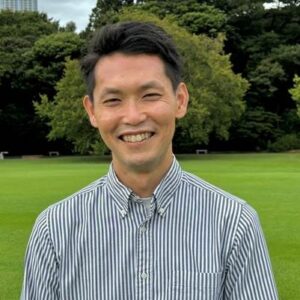
Kota Kawakami
Japan CLIL Pedagogy Association (J-CLIL)
Kota Kawakami is an English teacher at Dalton Tokyo Junior & Senior High School and serves as Secretary General of the Japan CLIL Pedagogy Association. He holds a Bachelor of Arts in Foreign Studies (English Linguistics) from Sophia University and an MSc in TESOL from the University of Edinburgh, where his master’s research explored the integration of content and language learning through classroom interaction based on the Cognitive Discourse Functions (CDFs) model.
His professional work has centred on the development and implementation of CLIL pedagogy in Japanese educational contexts, with a particular emphasis on fostering cross-curricular collaboration between language and subject teachers. In addition, he has contributed to the design and publication of CLIL teaching materials for both secondary and tertiary education.
His current research explores how learners’ literacy development can be made visible through discourse analysis, with a particular interest in the intersection of CLIL, critical literacy, and social justice education.
PANEL 5. Research trends in Bilingual Education | Chair: Ángela Sauciuc
ROOM 9 FRANCISCO JAVIER SANZ TRIGUEROS. NATALIA BARRANCO IZQUIERDO. ÁLVARO HERRERA SÁNCHEZ. PATRICIA BAÑOS GARCÍA.
ROOM 9 FRANCISCO JAVIER SANZ TRIGUEROS. NATALIA BARRANCO IZQUIERDO. ÁLVARO HERRERA SÁNCHEZ. PATRICIA BAÑOS GARCÍA.
Francisco Javier Sanz Trigueros
Universidad de Valladolid
Francisco Javier Sanz Trigueros es doctor por la Universidad de Valladolid en donde trabaja como Profesor Contratado Doctor en el Departamento de Didáctica de la Lengua y la Literatura –Unidad Docente de Didáctica de las Lenguas Extranjeras. Imparte docencia en los Grados de Educación y en los Másteres de formación de profesorado y de investigación aplicada a la educación. Tiene experiencia en gestión universitaria; coordina actualmente las especialidades de Lenguas Extranjeras en el Máster de formación del profesorado.
Su investigación se orienta al desarrollo profesional de los docentes que se ocupan de la educación bi/plurilingüe e intercultural. Difunde esta línea en congresos internacionales y en publicaciones de impacto en revistas especializadas, siendo Assistant editor y revisor en algunas de ellas. Ha realizado estancias en Bristol, Portugal y Suiza, y es miembro del GIR “Cualificaciones Profesionales, Empleabilidad y Emprendimiento Social”, así como de la Sociedad Internacional de Didáctica de la Lengua y la Literatura y de la Asociación de Enseñanza Bilingüe. Recientemente ha colaborado en dos estudios por encargo del British Council.
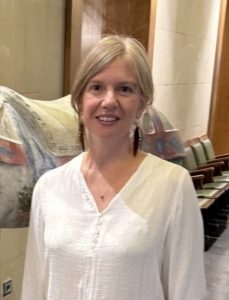
Natalia Barranco Izquierdo
Universidad de Valladolid
Natalia Barranco Izquierdo es doctora en Didáctica de la Lengua y la Literatura con especialidad en lenguas extranjeras. Es profesora permanente laboral en la Facultad de Educación y Trabajo Social de la Universidad de Valladolid. Centra su actividad docente e investigadora en la enseñanza del inglés como lengua extranjera, así como en la mediación como actividad comunicativa de la lengua.
Su producción científica se centra en la educación bilingüe, la enseñanza del inglés a alumnado en situación de vulnerabilidad socioeducativa y la mediación lingüística. Asimismo, participa en proyectos de investigación europeos relacionados con la enseñanza de lenguas extranjeras en ámbitos universitarios. Es miembro del GIR “Habilidades comunicativas e interculturales en lengua extranjera”, con carácter interdisciplinar, interinstitucional e internacional.
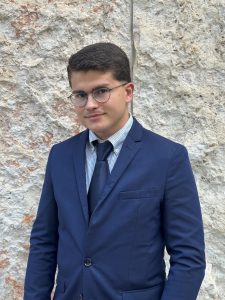
Álvaro Herrera Sánchez
Universidad de Valladolid
Álvaro Herrera Sánchez es graduado en Educación Primaria con Mención en Lengua Extranjera (inglés) por la Universidad de Valladolid, y cuenta con Título de Máster Universitario en Investigación Aplicada a la Educación.
Actualmente es doctorando a tiempo completo del Programa de Doctorado en Investigación Transdisciplinar en Educación de la Universidad de Valladolid, bajo la línea de trabajo relativa a la formación de profesorado. Inscribe su investigación en los factores de adecuación de los recursos y materiales escolares en centros con programas de enseñanza bilingüe.
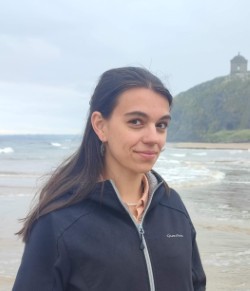
Patricia Baños García
Universidad de Valladolid
Patricia Baños García es Profesora Asociada del Departamento de Didáctica de las Ciencias Experimentales, Sociales y de la Matemática en la Facultad de Educación de Palencia (Universidad de Valladolid). Cuenta con el Grado en Educación Infantil y el Grado en Educación Primaria, así como con el Máster en Investigación Aplicada a la Educación. Actualmente, está realizando su tesis doctoral de doctorado en el Programa de Doctorado en Investigación Transdisciplinar en Educación de la Universidad de Valladolid.
A lo largo de su trayectoria profesional, ha trabajado como profesora de Educación Secundaria en Noruega, donde impartió la asignatura de inglés, y como maestra de Educación Primaria especialista en lengua inglesa y en áreas bilingües.
Desde el año 2024, participa en el Proyecto de Innovación Docente competitivo AMI: Aula Modelo Experimental Inclusiva, que desarrolla propuestas educativas en el ámbito universitario.

Víctor Pavón Vázquez
University of Córdoba
Víctor Pavón Vázquez is a Professor at the University of Córdoba, where he teaches pronunciation, EFL methodology, and bilingual education. He is a member of the CRUE Language Accreditation Commission, the current General Director of Linguistic Policy, and the Director of the UCO Idiomas Language Center at the University of Córdoba.
As a professor and researcher, he actively participates in educational bilingualism programs. His current interests focus on researching the outcomes of bilingual education programs and training teachers in specific competencies for these types of programs.
PANEL 6. Attention to Diversity in Bilingual Programs | Moderator: María Calvo Barrachina
ROOM 2 MARINA AGUARELES. BELÉN EMBID DIESTE. RAMIRO DURÁN MARTÍNEZ.
ROOM 2 MARINA AGUARELES. BELÉN EMBID DIESTE. RAMIRO DURÁN MARTÍNEZ.

Marina Aguareles
Universidad de San Jorge
Marina Aguareles is a lecturer, researcher, and Director of the Business and Administration Degree at San Jorge University. She holds a Ph.D. in Translation, Gender and Cultural Studies from University of Vic, a Bachelor’s Degree in Translation and Intercultural Communication (Award for Excellence in Academic Performance, 2012), a Master’s Degree in Leadership and Administration, and a Master’s Degree in Human Resources Management from Camilo José Cela University and IMF Business School. She teaches courses in intercultural communication, leadership and managerial skills, strategic management, and translation. Before joining academia, she spent more than ten years in international education, leading the international operations team at Newlink Education. She participates in several international research projects and has published in high-impact academic journals. Her research focuses on intercultural communication and leadership in intercultural business contexts.
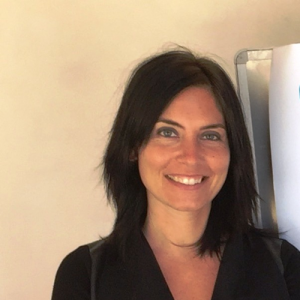
Belén Embid Dieste
CARLEE
Grado en Educación Primaria y Máster oficial en Educación Bilingüe, Belén Embid es directora del CARLEE (Centro Aragonés de Lenguas Extranjeras para la Educación), colaboradora en el Postgrado en CLIL de la Universidad de Zaragoza, formadora del profesorado en cuestiones de enseñanza bilingüe, innovación educativa y programas internacionales y coordinadora de la Feria de Ciencias en Lengua Extranjera que se organiza anualmente en Aragón para escolares en centros bilingües.
Con más de 15 años de experiencia en el campo de la educación en España y Estados Unidos con el programa Profesores Visitantes, ha desarrollado su carrera profesional como profesora y coordinadora del programa bilingüe MEC-British Council en distintos centros educativos de Aragón. Así mismo, ha desarrollado proyectos de hermanamientos escolares con Reino Unido, EEUU y Australia.
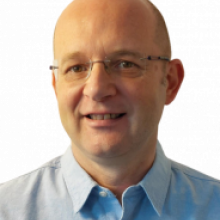
Ramiro Durán Martínez
Universidad de Salamanca
PANEL 7. Interculturality | Chair: Javier Aparicio Sánchez
ROOM 3 MARINA AGUARELES. LOLA LÓPEZ NAVAS. MAUREEN MCALLINDEN.
ROOM 3 MARINA AGUARELES. LOLA LÓPEZ NAVAS. MAUREEN MCALLINDEN.
Marina Aguareles
Universidad de San Jorge
Marina Aguareles is a lecturer, researcher, and Director of the Business and Administration Degree at San Jorge University. She holds a Ph.D. in Translation, Gender and Cultural Studies from University of Vic, a Bachelor’s Degree in Translation and Intercultural Communication (Award for Excellence in Academic Performance, 2012), a Master’s Degree in Leadership and Administration, and a Master’s Degree in Human Resources Management from Camilo José Cela University and IMF Business School. She teaches courses in intercultural communication, leadership and managerial skills, strategic management, and translation. Before joining academia, she spent more than ten years in international education, leading the international operations team at Newlink Education. She participates in several international research projects and has published in high-impact academic journals. Her research focuses on intercultural communication and leadership in intercultural business contexts.
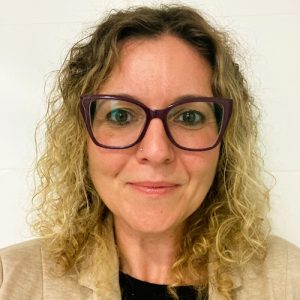
Lola López Navas
Universidad Rey Juan Carlos
Licenciada en Filología Inglesa por la Universidad de Valencia, Máster en Lingüística Aplicada por la Universidad de Sheffield, Máster en Evaluación de Lenguas por la Universidad de Lancaster, y Doctora por la Universidad Politécnica de Valencia. Con más de 20 años de experiencia en el ámbito de la enseñanza de lenguas extranjeras, ha desarrollado su carrera profesional en una variedad de niveles educativos, desde Educación Primaria hasta Educación Universitaria, tanto en Reino Unido como en España. En paralelo a la docencia, ha coordinado el diseño y control de calidad de exámenes de certificación ACLES y ha participado activamente en la formación metodológica para docentes de los programas de plurilingüismo de la Comunidad Valenciana, impartiendo cursos sobre evaluación en el ámbito AICLE/CLIL. Además, ha sido directora del Máster en Educación Bilingüe en la Universidad Internacional de Valencia.
Actualmente es Profesora Ayudante Doctora en la Universidad Rey Juan Carlos. Sus áreas de investigación se centran en la evaluación de lenguas extranjeras, el enfoque AICLE/CLIL, la multiliteracidad y la interculturalidad.
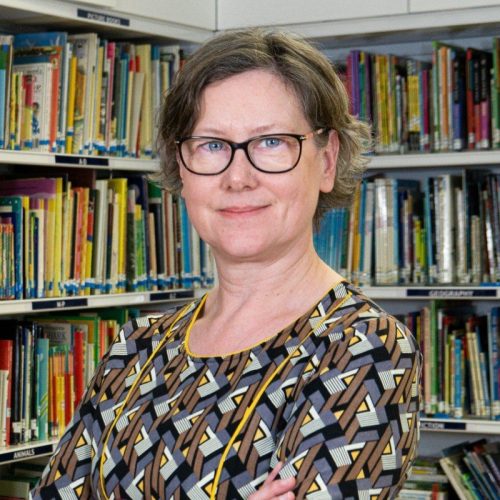
Maureen McAllinden
British Council
PANEL 8. Bilingual programmes | Chair: Xavier Gisbert da Cruz
ROOM 8 MILAGROS LIBERAL OBANOS. PABLO CANTERO PALACIO. JAVIER MAGDALENO.
ROOM 8 MILAGROS LIBERAL OBANOS. PABLO CANTERO PALACIO. JAVIER MAGDALENO.
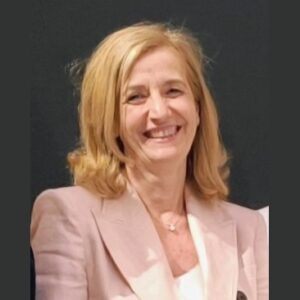
Milagros Liberal Obanos
Departamento de Educación de Aragón
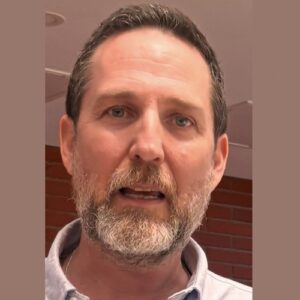
Consejería de Educación de Madrid
Consejería de Educación de Madrid
Javier Magdaleno
Consejería Educación de Castilla y León
Licenciado en Filología Inglesa por la Universidad de Valladolid. Docente de inglés 13 años, 4 años asesor de inglés secundaria en el CFIE de Valladolid y durante 8 años director del Centro de Formación del Profesorado en Idiomas de Castilla y León. Creador de múltiples proyectos de innovación, entre ellos el proyecto de innovación OBSERVA_ACCION basado en la observación docente y el hermanamiento entre centros como herramientas de formación.
Desde el 2023, jefe de servicio de formación del profesorado, innovación e Internacionalización de la Consejería de educación de Castilla y León. Ha coordinado o participado en múltiples proyectos europeos ERASMUS + KA1, KA2 y KA3 y proyectos INTERREG desde 2010, varios de ellos centrados en metodología CLIL. Coordina la formación del profesorado y los proyectos de innovación e internacionación de Castilla y León con especial énfasis en la formación del profesorado que imparte su materia en lengua extranjera en Castilla y León.
PANEL 9. Bilingual Education and Family | Moderator: Francisco García Guerrero
ROOM 9 BEGOÑA LADRÓN DE GUEVARA. LOLA LÓPEZ NAVAS. JOSÉ MANUEL GONZÁLEZ GUILLORME.
ROOM 9 BEGOÑA LADRÓN DE GUEVARA. LOLA LÓPEZ NAVAS. JOSÉ MANUEL GONZÁLEZ GUILLORME.
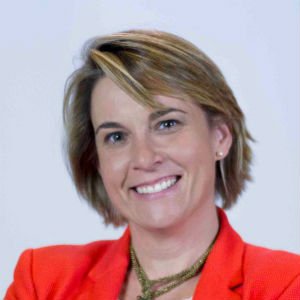
Begoña Ladrón de Guevara
Confederación de Padres de Alumnos (COFAPA)
D. in Education, Bachelor of Arts in Art History from the Complutense University of Madrid. Assistant Director of Students of the Education and Psychology Degrees at Centro Universitario Villanueva.
Professor in the area of Social Sciences Didactics and Practicum III in the degrees of Early Childhood and Primary Education Professor of the Master’s Degree in Educational Center Management at the Universidad Rey Juan Carlos.
President of the Confederation of Parents’ Associations COFAPA. Member of the State School Council and the Organization of Ibero-American States, OEI.
Lola López Navas
Universidad Rey Juan Carlos
Licenciada en Filología Inglesa por la Universidad de Valencia, Máster en Lingüística Aplicada por la Universidad de Sheffield, Máster en Evaluación de Lenguas por la Universidad de Lancaster, y Doctora por la Universidad Politécnica de Valencia. Con más de 20 años de experiencia en el ámbito de la enseñanza de lenguas extranjeras, ha desarrollado su carrera profesional en una variedad de niveles educativos, desde Educación Primaria hasta Educación Universitaria, tanto en Reino Unido como en España. En paralelo a la docencia, ha coordinado el diseño y control de calidad de exámenes de certificación ACLES y ha participado activamente en la formación metodológica para docentes de los programas de plurilingüismo de la Comunidad Valenciana, impartiendo cursos sobre evaluación en el ámbito AICLE/CLIL. Además, ha sido directora del Máster en Educación Bilingüe en la Universidad Internacional de Valencia.
Actualmente es Profesora Ayudante Doctora en la Universidad Rey Juan Carlos. Sus áreas de investigación se centran en la evaluación de lenguas extranjeras, el enfoque AICLE/CLIL, la multiliteracidad y la interculturalidad.
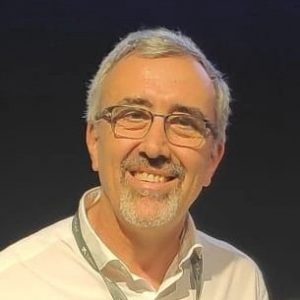
José Manuel González Guillorme
CEIP Francisco de Quevedo
Soy maestro habilitado bilingüe, por la UCM y licenciado en Pedagogía por la UNED, Director del CEIP Francisco de Quevedo de Fuenlabrada Madrid.
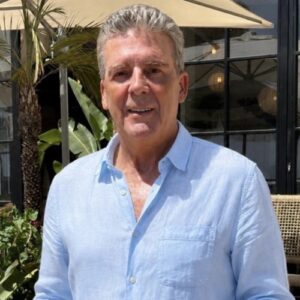
Xavier Gisbert da Cruz
Bilingual Education Association
He holds a degree in French Philology from Complutense University of Madrid and is a Professor of French.
He has served as Education Advisor at the Spanish Embassy in London, Director of the “Las Acacias” Regional Innovation and Training Center, General Director for the Improvement of Teaching Quality at the Ministry of Education of the Community of Madrid, General Director of Evaluation and Territorial Cooperation at the Ministry of Education, Culture and Sport, and Education Advisor at the Spanish Embassy in Washington.
In the Community of Madrid, he was responsible for the development of bilingual education in primary school, the design and implementation of bilingual education at the secondary level, the management of the language assistant program, teacher training, and the development of specific training for the bilingual program.
He directed the EICE 2016 Congress and is the Director of the CIEB International Congresses on Bilingual Education. He is the author of various publications and has given numerous presentations and lectures. He is currently the President of the Bilingual Education Association and Vice-President of Professionals for International Education.
María Luisa Sierra Huedo
San Jorge University
PhD in International Education and Master of Arts in ComparativeInternational Development Education from the University of Minnesota,USA. Vice Dean of Internationalization at the School of Communication andSocial Sciences at Universidad San Jorge, Zaragoza, Spain. Professor andresearcher at the Group Migrations, Interculturalism and HumanDevelopment. Her research interests are intercultural communication, international education focusing on the internationalization of highereducation, topics and areas in which she has developed research andpublished articles and book chapters.https://orcid.org/0000-0001-8809-7924
PhD in International Education and Master of Arts in ComparativeInternational Development Education from the University of Minnesota,USA. Vice Dean of Internationalization at the School of Communication andSocial Sciences at Universidad San Jorge, Zaragoza, Spain. Professor andresearcher at the Group Migrations, Interculturalism and HumanDevelopment. Her research interests are intercultural communication,international education focusing on the internationalization of highereducation, topics and areas in which she has developed research andpublished articles and book chapters.https://orcid.org/0000-0001-8809-7924
Virginia Vinuesa Benitez
Rey Juan Carlos University
Virginia Vinuesa Benítez holds a degree in English Studies from the University of Granada and a PhD from Rey Juan Carlos University. She has more than 25 years of experience in education at different levels, from Early Years to university, in Spain and the United Kingdom. She is currently a teaching and research lecturer at Rey Juan Carlos University, where she teaches foreign language teaching methodology and directs the Master’s in Bilingual Education. She has taken part in methodological teacher training in bilingual schools, and her research focuses on foreign language teaching, bilingual education, and CLIL methodology. She is Vice President of the Bilingual Education Association and co-editor of the NABE Journal of Research and Practice.