El cuaderno inteligente como motor de pensamiento crítico en el aula Science-CLIL - BEATRIZ MEDIAVILLA GUTIERREZ.

Maestra de Educación Primaria especialista en Lengua Extranjera (Inglés) y Science, mejor docente innovadora 2023.
Maximising opportunities: Integrated learning and assessment in context - CAMBRIDGE - DAVID BRADSHAW. VICTORIA PEÑA JAENES.

Victoria is Assessment Services Manager at CUP&A. She has collaborated in external assessment projects and holds a PhD in washback.
Learning Stations in Action! Engage, Explore, Empower - ByME - AMANDA MCLOUGHLIN.
ENGLISH FOR INFANTS! LEARNING BY DOING! - OLGA EROLES GARGALLO. LAURA CASTEJÓN GARCÍA.
Soy maestra de lengua extranjera inglés y maestra de educación infantil. Maestra desde 2011, actualmente dando inglés en todos los niveles de infantil
Soy maestra de lengua extranjera inglés y maestra de educación infantil. Maestra desde 2011, actualmente tutora de infantil en castellano y en inglés.
Presentación de libro: Arqueología e historia del concepto "educación bilingüe" - JOSÉ RAMÓN ÁLVAREZ LAYNA.
Dr. José Ramón Álvarez Layna, profesor de Didáctica de las Ciencias Sociales, con experiencia en programas bilingües y en didácticas innovadoras.
Exploring The Brilliant Bilingual Brain: Neuroscience to Inspire Language Learners - SARAH JULIA FORSEY.
Profesora de inglés y francés. Asesora de formación en el CARLEE Aragón desde 2016.
Cómo incorporar la inteligencia artificial de forma ética en la enseñanza bilingüe - SARA GALISTEO MILLA.
Maestra de educación primaria, especializada en integración ética de la inteligencia artificial y metodologías innovadoras centradas en el alumnado.
Do You Dare? Bringing Poetry Writing into the English Classroom - DÉBORA RASCÓN ESTÉBANEZ.
Débora Rascón Estébanez has worked as an English teacher in both Primary and Secondary Education. She is currently an Assistant Professor in the fields of Language and Literature Education and Foreign Language Teaching. Her professional and research work focuses on the analysis of CLIL textbooks, visible thinking, and educational innovation. She has participated in a range of educational innovation projects and initiatives aimed at improving teaching and learning processes, with a particular interest in the use of thinking routines and strategies to foster deep understanding of texts. Her research interests include English language teaching methodology, the analysis of CLIL textbooks, and the development of cognitive skills and Visible Thinking in educational contexts.
Motivación temprana y comunicación en educación bilingüe: la experiencia CLIL BRITISH METHOD - CARLOS GARCÍA-BALTASAR RUIZ.
CLIL BRITISH METHOD impulsa motivación, speaking y aprendizaje activo. Marta Gómez lidera la dirección psicopedagógica y Marta Rivera la formación.
All Aboard! Inclusive support for all students in bilingual classrooms - LYNDSAY BUCKINGHAM. EVA JECHIMER RAMÍREZ.
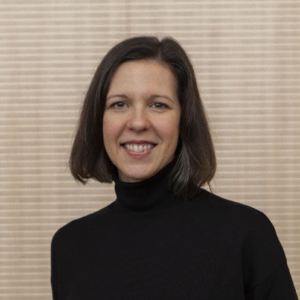
Lyndsay R. Buckingham, PhD, teaches EFL/CLIL at Universidad Pontificia Comillas. Her research focuses on inclusive, bilingual teacher training.
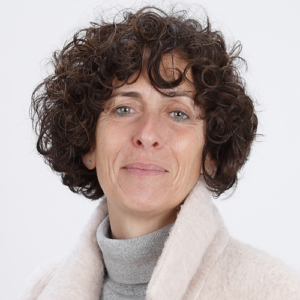
Eva Jechimer es, sobre todo, una apasionada de la educación. Doctora en Lenguas Modernas y Máster en Educación Bilingüe por la Universidad de Alcalá, ha ejercido como maestra en Lengua inglesa en centros de Primaria más de 20 años. Es profesora colaboradora en los grados de Magisterio de Universidad Pontificia Comillas y formadora de profesionales de la educación bilingüe. Sus investigaciones se centran en metodologías innovadoras para aprender inglés en entornos CLIL y, más recientemente, en las dificultades de aprendizaje en las áreas bilingües.
Fresh Apporaches to Primary CLIL Art - ANA DEMITROFF DEMITROFF.
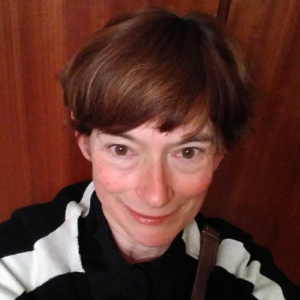
Ana’s four-decade career has spanned three countries (Spain, the UK and the US) and all the stages from 0-3 in nurseries to Higher Education as a co-tutor on the University of Jaén’s CLIL Master’s. The one constant in Ana’s professional life is a cross-curricular slant, from CLIL and Plurilingual Education to ESP for subjects as varied as Maritime English and Podiatry. She has done training for official entities, like the CEPs, Erasmus Plus, Taith and APPI, to teachers on the Iberian Peninsula and beyond. She is currently co-coordinator (with Anabel Reis) on the Iberian Cross-curricular SIG under the auspices of TESOL-SPAIN and APPI. Ana holds a Master’s in ELT from the Institute of Education (University of London) and the CAP (initial training for Secondary from the University of Santiago).
Play Date for Teachers: Round Two! - ADRIANA COTO FERNÁNDEZ.
With over 20 years of experience in education, Adriana works as a teacher, group leader, and speaking examiner.
Coaching style needs analysis to transform one-to-one teaching and learning - ELENA KOZHEVNIKOVA.
Elena Kozhevnikova is a CELTA-qualified ELT instructor, coach and teacher trainer with 14 years of experience in adult language education.
A toolkit for effective coordination in bilingual schools - TRACEY CHAPELTON BURKE.
Tracey Chapelton is the Project Manager for English and School Education at the British Council in Spain. She has extensive experience in teaching, teacher training, curriculum development and materials writing in the bilingual education sector, and runs annual workshops for the Bilingual Education Programme coordinators. Tracey is a firm believer in the impact of bilingual education and supports teachers and coordinators through the annual training programme she overseas, as well as the new methodology guidelines which she is coordinating for teachers in the Bilingual Education Programme.
Neurodiversity in the classroom; from problem to opportunity - SANTILLANA - BOELO VAN DER POOL.
With over 30 years of experience in ELT and being dyslexic himself, Boelo specializes in language teaching to students with dyslexia and ADHD.
Critical AI Literacy for the Future of Multilingual Education - MARIA COADY. TERRI ASHCHI. ROCÍO LÓPEZ CAICEDO.
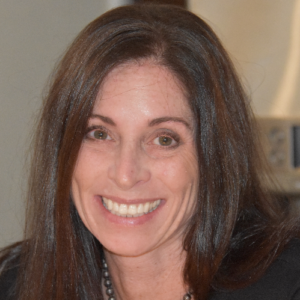
Dr. Maria Coady is Goodnight Distinguished Professor in Education and a Professor of Multilingual Education at North Carolina State University, USA.
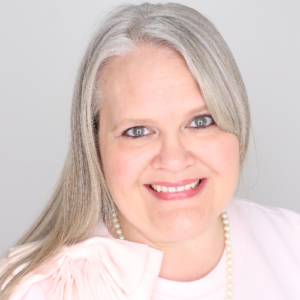
Terri Ashchi is a Ph.D. student at North Carolina State University whose teaching and research focus on literacy development for multilingual learners
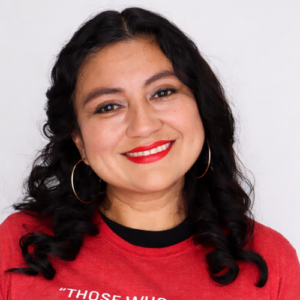
Rocío López Caicedo is a first-generation secondary school, college and graduate student from Colombia. She is a doctoral student in Teacher Education and Learning Sciences, with a concentration in Educational Equity at North Carolina State University. Rocío holds a Master’s in Educational Technology Management from Universidad de Santander (Colombia) and a Master’s in Global Education Leadership from Korea National University of Education (South Korea). As a former English Language Teacher and a rural director in Colombia, she focuses her research on Multilingual Learners and Dual Language Immersion Programs in rural areas.
Learning Beyond the Classroom: Developing Skills for Success - KAMILA DOLEJSI.

Kamila Dolejsi
Oxford International
Kamila is an experienced TESOL professional with over 20 years in English language education, teacher development, and academic leadership. Originally trained in Vancouver, Canada, she spent nearly a decade teaching English and training teachers in the Czech Republic before joining Oxford International Education Group in 2014.
Today, as Academic Director for Oxford International EFL UK & Digital Institute Language Services, Kamila leads academic development and quality assurance across a diverse portfolio of language programmes. She played a key role in developing Oxford International’s Online Pre-sessional English provision and Oxford ELLT, and also oversees in-sessional language support and the Teacher Training department.
With a particular passion for programme and materials development, academic quality, and innovative approaches to language education.
Talk Less, Learn More: High-Impact Teacher Language for Bilingual Classrooms - ANGELA SAUCIUC.

Angela Daniela Sauciuc is Director of Programs and Teacher Training at Instituto Franklin–University of Alcalá, where she leads academic initiatives and professional development programmes in bilingual and international education. With more than twenty years of experience in education across Spain, the United Kingdom, Romania and the United Arab Emirates, she has worked as a teacher, trainer, academic coordinator and educational leader in a wide range of educational settings. Her professional experience spans the entire educational continuum, from Early Childhood and Primary Education to Secondary Education, Higher Education and Professional Training, providing her with a comprehensive understanding of language learning, teaching methodologies and educational development across different stages and contexts. Her areas of expertise include bilingual education, teacher language, classroom interaction, classroom management, active learning methodologies and second language acquisition.
¿Puede participar todo el alumnado en un aula bilingüe? Estrategias DUA desde la enseñanza de alemán en un centro preferente de discapacidad auditiva - LAURA LAHOZ MORENO.
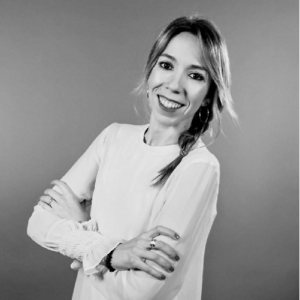
Docente de alemán y coordinadora de bilingüismo en Educación Infantil y Primaria, con experiencia en innovación educativa e inclusión.
When Cooperative Learning and AI Meet: Language, Reflection and Critical Thinking - CRISTINA DE VEGA BENAVIDES.

Cristina de Vega is a Primary Education teacher and British Programme Coordinator at CEIP Clemente Fernández de la Devesa (Medina del Campo, Spain), where she has worked for over twelve years. She teaches Literacy, Science, Social Studies, and Art through English and has extensive experience in bilingual education, Cooperative Learning, reading development, and hands-on methodologies. Passionate about educational innovation, Cristina specialises in the integration of digital technologies and Artificial Intelligence to support active, student-centred learning. Her work focuses on combining AI with cooperative learning, formative assessment, and language education to foster communication, critical thinking, reflection, and digital competence. She regularly shares her classroom experiences through teacher training and conference presentations, promoting practical and meaningful approaches to innovation in education.
Lectoescritura en construcción: un proyecto real para debatir el futuro del aprendizaje - MIRIAM PASTOR MORATE.
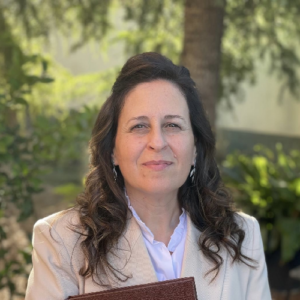
Doctora, pedagoga y maestra con 20 años de experiencia en la docencia en inglés de áreas no lingüísticas del currículo de primaria.
Desarrollo de Soft Skills a través del debate en inglés - ANDREA BALLARÍN AUDINA. ANA ESTHER MONGE ARAGONÉS.
Docente desde 2012 en las etapas educativas de Secundaria y Bachillerato, profesora asociada en UNIZAR y he desempeñado puestos de coordinación.
Docente desde el año 2006, ha desempeñado puestos de Jefatura de Estudios y diversas coordinaciones. Creadora del canal de Youtube Ana Esther Teacher.
Inteligencia artificial y creación de materiales inclusivos: cómo convertir al alumnado NEAE en protagonista de sus lecciones - MARTA WALLISER MARTIN.
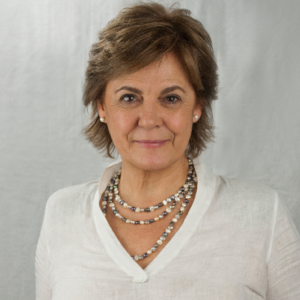
Marta Walliser PhDes fundadora y directora ejecutiva de Infinite Spur y creadora de English For Us, un programa de enseñanza del inglés dirigido a alumnado con discapacidad intelectual, trastornos del neurodesarrollo y necesidades específicas de apoyo educativo. Cuenta con más de 25 años de experiencia en educación internacional, diseño de programas académicos, liderazgo educativo e innovación pedagógica. Su trabajo se centra en el desarrollo de metodologías inclusivas que combinan accesibilidad cognitiva, Diseño Universal para el Aprendizaje, Lectura Fácil, gamificación, tecnología educativa e inteligencia artificial. A través de English For Us, impulsa proyectos que amplían las oportunidades de aprendizaje, comunicación y participación de estudiantes que tradicionalmente han tenido menos acceso a la enseñanza de idiomas. Ha recibido diversos premios y reconocimientos por su labor en el ámbito de la inclusión y la enseñanza del inglés.
Teaching in the United States: Growth Opportunities, Cultural Expansion, and Adaptation - IAG - SERGIO ESPINOSA.

Sergio Espinosa Delgado is Director of International Partnerships at International Alliance Group (IAG), with more than 20 years of experience in education, international cooperation, and public policy. He previously served as Director General of International Exchange and Affairs at the Sonora Department of Education and Culture, where he led educational internationalization initiatives and the state’s English language teaching program.
At IAG, he develops international partnerships and promotes teacher exchange and professional development opportunities.
He holds degrees in Business Administration from ITAM and Law from UVM, as well as master’s degrees from the Complutense University of Madrid and Pompeu Fabra University in Barcelona. He also participated in professional development programs at Harvard Law School through the Rafael del Pino Foundation.
Two Languages, Endless Possibilities - ANAYA/PEARSON - HARRY WATERS.

Harry Waters
Harry Waters is an educator, author, teacher trainer and founder of Renewable English. He works internationally in ELT, CLIL, bilingual education and sustainability, helping teachers connect language and content with the wider world. He is also Chair of Trustees at Kids Against Plastic, an international speaker, bike rider and vegan wannabe hippy.
Using Music, Songs & Movement to Develop Biliteracy for the EC and/or Elementary School Programs - DR. GILBERTO D SOTO.
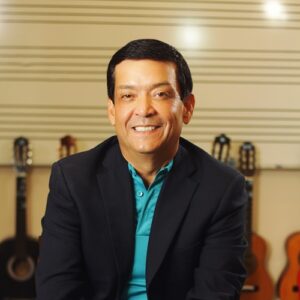
Gilberto D. Soto, Ph.D. is currently Professor of Music Education/Guitar at Texas A&MInternational University where he teaches early childhood and elementary bilingual musiceducation courses. He also supervises the guitar studio, teaching and mentoring its majors,and directs the “TAMIU Classical Guitar Ensemble”.
In addition, Dr. Soto is the author ofthe bilingual music education books “Fiesta de Canciones” (Primary and IntermediateLevels), co-author of “Multilevel Strategies for English Language Learners”, co-author ofthe national music series “Spotlight on Music”, co-author of the national reading series“Treasures/Tesoros”; co-author of the national bilingual series “Wonders/Maravillas”, co-author of the national early childhood series “Three Cheers for Pre-K’, co-author andbilingual song arranger for the national mathematics series and the national series “DLMEarly Childhood Express”.
Dr. Soto is also the author of “Music of our World: Mexico”,“Teaching Music in the Multicultural Early Childhood Classroom”, and has written severalarticles to the national music education magazine “Music Express”, reviewed earlychildhood and elementary music education textbooks, and some of his publications have beenfeatured at the prestigious television network CNN International, and the TLC Channel.
Dr.Soto’s publications have been adopted in public and private school districts, not only all overthe United States, but in Europe and the Middle East, and some of his bilingual songarrangements and lesson plans have been translated in Mandarin, with the intention topublish translated versions of his songs, music lesson plans and activities in The Republic of China.
He holds a BA degree in Education from Universidad Autonoma del Noreste, a BA inMusic from Abilene Christian University, plus a M.M. and Ph.D. in Music Education fromthe University of Southern Mississippi. Dr. Soto travels extensively offering hands on clinicsand lectures in bilingual music education to several of the most prestigious educationconferences and school districts.
Dr. Soto also performs flamenco and classical guitarconcerts throughout the United States, Central and South America, including the WhiteHouse in Washington, and recently in Spain and at the Middle East. Some of his guitararrangements and compositions have been featured at NPR national radio station. Dr. Sotohas received many awards for his contributions to bilingual music education, especially inunder priviledged school communities as well as many awards as a higher educationprofessor, administrator, and guitar instructor/performer.
Developing Pragmatic Competence in the CLIL Classroom - YASHAR KHAZDOUZIAN. JAVIER CAÑAS VILLARREAL.
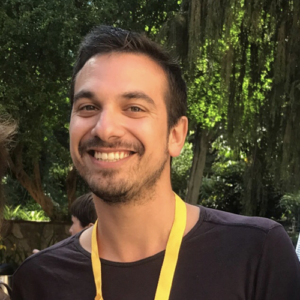
Yashar Khazdouzian currently works as a lecturer and researcher at Valencian International University (VIU) at the faculty of Education Sciences.

Javier Cañas currently works as an Assistant Professor in the Dpt of English Studies: Linguistics and Literature at the Faculty of Philology at UCM.
Lucky us who know how to use STEREOTYPES! - PIA MAHMOUDI.
Passionate about Internationalization, Communication, HR and AI and how to combine all of them into one big PLUS in Higher Education.
Reshaping the EMI Classroom: A Workshop on Teacher-Led Game Design Using Sequential AI Prompts - IRENE CASANOVA MATA.
Irene tiene intereses investigadores en innovación tecnológica, elaboración de recursos y materiales y metodologías activas en la enseñanza de idiomas
Teaching sounds in context. Programar desde un enfoque fonológico en el área de Inglés - SONIA FERNÁNDEZ LÓPEZ. MARÍA ISABEL GUERRA ÁLVAREZ.
Maestra especialista en Ed. Infantil y Lengua Extranjera, licenciada en Psicopedagogía. Coordinada de Proyectos de Innovación y Grupos de trabajo.
Maestra especialista en inglés, licenciada en Filología Inglesa por la U. Complutense de Madrid y Doctora en Didáctica de la lengua Inglesa por la UR.
Atelier de musique et de danse en français - MARÍA ISABEL ANDRES ALPUENTE.
Maestra de Ed. Musical, licenciada en Ciencias de la Educación con Máster en Gestión Cultural. Docente en el exterior, asesora de formación y francés.
Read, Talk, and Have Fun! - SONIA MARTÍN POVEDA. PATRICIA SÁNCHEZ ILLÁN.
Profesora y asesora de docentes para implantar nuevas metodologías de inglés en Ed. Infantil y Ed. Primaria.
Profesora y formadora de docentes sobre el Inglés como lengua extranjera y phonics en infantil y primaria.
Fresh Approaches to Primary CLIL Natural Science - ANA DEMITROFF DEMITROFF.
Ana’s four-decade career has spanned three countries (Spain, the UK and the US) and all the stages from 0-3 in nurseries to Higher Education as a co-tutor on the University of Jaén’s CLIL Master’s. The one constant in Ana’s professional life is a cross-curricular slant, from CLIL and Plurilingual Education to ESP for subjects as varied as Maritime English and Podiatry. She has done training for official entities, like the CEPs, Erasmus Plus, Taith and APPI, to teachers on the Iberian Peninsula and beyond. She is currently co-coordinator (with Anabel Reis) on the Iberian Cross-curricular SIG under the auspices of TESOL-SPAIN and APPI. Ana holds a Master’s in ELT from the Institute of Education (University of London) and the CAP (initial training for Secondary from the University of Santiago).
Fotografía, lenguaje audiovisual y comunicación: propuestas educativas y de formación del profesorado en contextos plurilingües. - JORGE BARRIENDO ANSÓN.
Jorge Barriendo es docente, asesor de formación, fotógrafo y artista visual especializado en educación inclusiva, lenguas y medios audiovisuales.
Desarrollo del pensamiento crítico en el aula AICLE mediante la implementación de Círculos de Lectura - LETICIA FERNÁNDEZ TORRALBA.
Asesora en CARLEE con 18 años de experiencia internacional. Especialista en AICLE, internacionalización Erasmus+ y tecnología en el aula bilingüe.
The perfect formula for oral competence in Primary Education - ISABEL ADIEGO PETISME.
Primary English teacher at CEIP Doctor Azúa specialised in oral competence and active methodologies in bilingual education.
El bilingüismo se puede cultivar en casa - CELIA DAIMEÉ MARTÍNEZ MÁRQUEZ.
Docente de secundaria, graduada en adquisición de segundas lenguas y madre no nativa criando bilingüe en inglés.
La francofonía como recurso educativo: talleres interculturales para desarrollar la competencia comunicativa y cultural - CONCEPCIÓN PORRAS PÉREZ.

Profesora sustituta interina en el Departamento de Didáctica de la Lengua y la Literatura de la Universidad de Granada desde 2018 hasta la actualidad, centrando su actividad en la enseñanza del francés y la didáctica de lenguas extranjeras.
The Art of making learning visible - ANABEL REIS ALVES.
Relying on more than 25 years of classroom experience with different age groups, Anabel has been a teacher trainer for over 12 years and has trained teachers in Portugal, Spain, Tunisia (British Council) and Mexico – both at primary and secondary levels. Anabel holds an MA in Applied Linguistics from the University of Birmingham, U.K. and has a published chapter (University of Porto) on “Hands-on CLIL: A Project-based Orientated Approach to Geography in Lower Secondary”. She is a regular presenter at international conferences, the co-coordinator of the Iberian cross-curricular SIG (APPI), a co-author of a textbook in Portugal and has written material for both Spanish and Portuguese publishers, working on a regular basis with Areal Editores. She is also a co-tutor on two modules of an intercollegiate MA in CLIL. Her interests include CLIL, cross-curricular projects, developing hands-on activities with and through Art (drawing), and project-based learning (PBL).
Practical S.T.E.M. for the Bilingual Classroom - CHRISTINA ELAINE VOUROS AUSEJO ALCALDE.
With over 20 years of experience in bilingual education in Spain, specializing in English based programs that foster both language fluency.